Field Service Management Software: Explore Features, Benefits, Guide and Key Insights
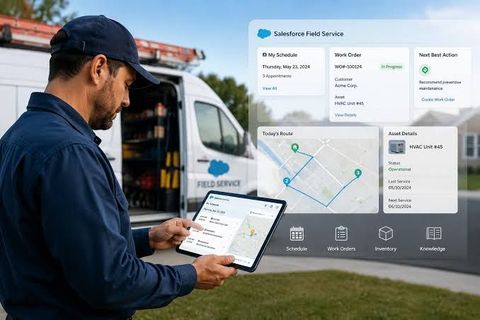
Field Service Management (FSM) Software is a technology platform designed to help organizations coordinate, monitor, and manage field operations. It supports activities such as scheduling, dispatching, work order tracking, asset monitoring, workforce coordination, reporting, and customer communication.
Many organizations operate teams that work outside traditional office environments. These teams may perform equipment maintenance, inspections, installations, repairs, facility management, infrastructure monitoring, or technical support activities. Managing these operations manually can be challenging, especially when teams are distributed across multiple locations.
Field Service Management Software was developed to improve operational visibility, increase efficiency, and provide centralized control over field activities. Modern platforms often combine cloud computing, mobile applications, workflow automation, artificial intelligence, geographic tracking, and business analytics into a single solution.
As organizations continue their digital transformation efforts, FSM software has become an important component of enterprise operations and workforce management strategies.
Why Field Service Management Software Matters
The growing complexity of business operations has increased the demand for tools that can improve coordination and visibility across field activities.
Organizations often face challenges such as:
Scheduling conflicts
Communication delays
Asset tracking difficulties
Inconsistent reporting
Workforce coordination issues
Operational inefficiencies
Field Service Management Software helps address these challenges through automation and centralized management.
The technology is relevant to multiple industries.
| Industry | Common Applications |
|---|---|
| Utilities | Infrastructure maintenance |
| Telecommunications | Network support activities |
| Manufacturing | Equipment monitoring |
| Healthcare | Medical equipment management |
| Construction | Project coordination |
| Transportation | Fleet and asset tracking |
The software also benefits various stakeholders.
| Stakeholder | Potential Advantages |
|---|---|
| Operations Managers | Better visibility |
| Field Teams | Improved coordination |
| Executives | Enhanced reporting |
| IT Teams | Centralized data management |
| Customers | Improved communication |
As organizations increasingly rely on mobile workforces, FSM platforms help create more structured and efficient operational environments.
Key Features of Field Service Management Software
Modern Field Service Management platforms provide a wide range of capabilities that support field operations.
Scheduling and Dispatch Management
One of the most important functions of FSM software is workforce scheduling.
Common capabilities include:
Appointment scheduling
Resource allocation
Route planning
Workforce assignment
Calendar management
These features help organizations optimize field operations and improve resource utilization.
Mobile Workforce Management
Mobile functionality allows field personnel to access information remotely.
Typical mobile features include:
Digital work orders
Task updates
Document access
Location tracking
Offline functionality
Mobile access supports real-time communication and operational efficiency.
Asset Management
Organizations often manage large numbers of physical assets.
FSM platforms may provide:
Equipment tracking
Maintenance records
Asset lifecycle monitoring
Inventory visibility
Performance analytics
These tools help organizations maintain operational continuity.
Workflow Automation
Automation is becoming increasingly important in enterprise software.
Common workflow capabilities include:
Automated notifications
Status updates
Approval processes
Reporting workflows
Data synchronization
Automation helps reduce manual administrative tasks.
Reporting and Analytics
Business intelligence tools provide valuable operational insights.
Key reporting functions may include:
Performance dashboards
Resource utilization metrics
Operational trends
Maintenance history
Productivity analysis
Data-driven decision-making has become a major focus for modern organizations.
Common FSM Software Capabilities
| Feature Category | Purpose |
|---|---|
| Scheduling Tools | Workforce coordination |
| Dispatch Management | Resource allocation |
| Mobile Applications | Field access |
| Asset Tracking | Equipment visibility |
| Workflow Automation | Process efficiency |
| Business Analytics | Performance monitoring |
| CRM Integration | Information sharing |
| Cloud Infrastructure | Centralized access |
These capabilities contribute to improved operational management and organizational visibility.
Benefits of Field Service Management Software
Organizations adopt FSM software for a variety of operational reasons.
Improved Operational Efficiency
Automation and centralized workflows can help reduce administrative complexity.
Potential outcomes include:
Faster task assignment
Better resource planning
Improved information access
Enhanced coordination
Better Workforce Visibility
Managers gain greater visibility into field activities.
Benefits may include:
Real-time status updates
Workforce tracking
Performance monitoring
Operational transparency
Enhanced Data Accuracy
Digital systems reduce reliance on paper-based processes.
Advantages include:
Consistent recordkeeping
Reduced manual errors
Improved reporting quality
Better audit readiness
Stronger Asset Management
Organizations can monitor equipment and infrastructure more effectively.
Potential improvements include:
Maintenance tracking
Asset utilization analysis
Lifecycle management
Performance optimization
These benefits contribute to more informed operational decision-making.
Recent Updates and Industry Trends
The Field Service Management software market has experienced significant development throughout 2025 and 2026.
Artificial Intelligence Integration
Many software providers have expanded AI-powered capabilities.
Recent developments include:
Predictive maintenance analytics
Intelligent scheduling recommendations
Automated workflow optimization
Operational forecasting
AI is increasingly being used to improve planning and decision support.
Cloud-Based Platform Expansion
Organizations continue migrating toward cloud-based software solutions.
Key advantages include:
Remote accessibility
Centralized information
Scalability
Simplified updates
Cloud infrastructure remains a major growth area within enterprise technology.
Internet of Things (IoT) Integration
Connected devices are playing a larger role in field operations.
Examples include:
Smart sensors
Equipment monitoring systems
Remote diagnostics
Real-time asset tracking
IoT technology improves operational visibility and asset intelligence.
Mobile Technology Advancements
Mobile workforce solutions continue evolving.
Areas of development include:
Enhanced field applications
Digital documentation
Voice-enabled functionality
Augmented reality support
Mobile innovation remains a key driver of FSM adoption.
Industry Technology Trends
| Trend | Activity Level |
|---|---|
| Artificial Intelligence | High |
| Cloud Computing | High |
| Mobile Workforce Solutions | High |
| IoT Integration | Growing |
| Predictive Analytics | Growing |
| Digital Transformation | Growing |
These trends continue shaping the future of field operations management.
Laws, Policies, and Regulatory Considerations
Field Service Management Software often operates within various legal and regulatory frameworks.
Data Protection Regulations
Organizations handling employee, operational, and customer information must comply with data privacy requirements.
Key areas include:
Personal data protection
Data storage practices
Access controls
Information security
Privacy compliance remains an important consideration for software implementation.
Cybersecurity Requirements
As organizations adopt cloud-based platforms, cybersecurity becomes increasingly important.
Common focus areas include:
User authentication
Network security
Data encryption
Threat monitoring
Cybersecurity frameworks help protect organizational information.
Industry-Specific Compliance
Some sectors operate under additional regulations.
Examples include:
Healthcare compliance requirements
Utility infrastructure standards
Telecommunications regulations
Transportation monitoring requirements
Organizations often configure FSM platforms to support industry-specific reporting and documentation needs.
Workforce Management Policies
Employment and workforce management regulations may influence operational workflows.
Relevant considerations include:
Work hour tracking
Safety documentation
Training records
Compliance reporting
These requirements vary by industry and jurisdiction.
Helpful Tools and Resources
Organizations exploring Field Service Management Software can benefit from several supporting resources.
Workforce Management Platforms
These tools support:
Scheduling
Resource planning
Team coordination
Workforce analytics
CRM Integration Platforms
Useful for:
Customer information management
Activity tracking
Communication records
Operational visibility
Asset Management Software
Common functions include:
Equipment tracking
Maintenance planning
Inventory monitoring
Lifecycle analysis
Business Intelligence Tools
Organizations use these tools for:
Data visualization
Reporting dashboards
Trend analysis
Performance measurement
Route Optimization Applications
These resources help improve:
Travel planning
Resource allocation
Time management
Operational efficiency
Technology Ecosystem Overview
| Resource Category | Purpose |
|---|---|
| Workforce Platforms | Team coordination |
| CRM Systems | Information management |
| Asset Management Tools | Equipment visibility |
| Analytics Platforms | Business insights |
| Route Optimization Software | Operational planning |
| Cloud Infrastructure | Centralized operations |
These resources complement FSM software and support broader operational objectives.
Frequently Asked Questions
What is Field Service Management Software?
Field Service Management Software is a platform that helps organizations coordinate field operations, manage workforce activities, track assets, automate workflows, and improve operational visibility.
Which industries commonly use FSM software?
Industries such as utilities, manufacturing, healthcare, telecommunications, transportation, and construction frequently use FSM platforms to support field operations.
How does FSM software improve efficiency?
FSM software helps automate scheduling, dispatching, reporting, asset tracking, and communication processes, reducing administrative workload and improving coordination.
What role does artificial intelligence play in FSM platforms?
Artificial intelligence can support predictive maintenance, workforce scheduling recommendations, operational forecasting, and workflow optimization.
Why is mobile access important in Field Service Management?
Mobile applications allow field personnel to access work orders, update task information, communicate with teams, and manage activities while working remotely.
Conclusion
Field Service Management Software has become an important technology solution for organizations managing distributed workforces and complex field operations. By combining scheduling, workforce coordination, asset management, analytics, automation, and mobile technology, these platforms help improve operational visibility and efficiency.
Recent developments in artificial intelligence, cloud computing, IoT integration, and mobile workforce solutions continue expanding the capabilities of FSM platforms. At the same time, data privacy, cybersecurity, and compliance requirements remain important considerations for organizations implementing these technologies.
As digital transformation initiatives continue across industries, Field Service Management Software is expected to remain a key component of modern operational strategies, supporting workforce productivity, asset visibility, and data-driven decision-making.

Related Post...
Field Service Management Software: Explore Features, Benefits, Guide and Key Insights
Updated: September 22, 2026
Read More
2026 Toyota Hilux India Launch: Explore Features, Specifications, Price Guide and Key Insights
Updated: September 11, 2026
Read More